
Aloe liliputana – 5 Seed Pack
R95,00
INTERNATIONAL CUSTOMERS: Please read our shipping terms and conditions here before placing your order: Shipping Terms and Conditions
5 in stock
Aloe is one of the most captivating succulent genera on Earth, celebrated for its bold architectural rosettes, resilient nature, and spectacular seasonal flower displays. From neat, miniature species that tuck themselves into rocky crevices to dramatic, stem-forming giants that dominate dry hillsides, aloes bring an unmistakable sense of place—sunlit, water-wise, and wonderfully wild—wherever they are grown.
What truly sets Aloe apart is the combination of sculptural foliage and nectar-rich blooms. The leaves range from smooth and glaucous to spotted, toothed, and richly textured, often changing colour with sun, drought, or cool weather. When they flower, aloes send up striking spikes or branched candelabras topped with tubular blooms in fiery reds and oranges, soft corals and pinks, or even yellows and greens—magnets for pollinators and a highlight in any garden or collection.
With origins spanning Africa, Madagascar, the Arabian Peninsula and surrounding regions, Aloe has evolved to thrive in demanding environments—making many species naturally suited to xeriscaping, rock gardens, containers, and drought-tolerant landscapes. Whether you’re a first-time grower or a seasoned collector, raising aloes from seed is especially rewarding: every plant tells a slightly different story, and each one matures into a unique, living sculpture that becomes more impressive with every season.
Aloe liliputana
Often celebrated as the world’s smallest aloe, Aloe liliputana is a true collector’s miniature – an almost “hidden” succulent that rewards the patient grower with an unexpectedly elegant bloom display. Despite its tiny stature, it carries all the charm of the genus in a refined, delicate form that looks especially striking when grown where its fine details can be appreciated up close.
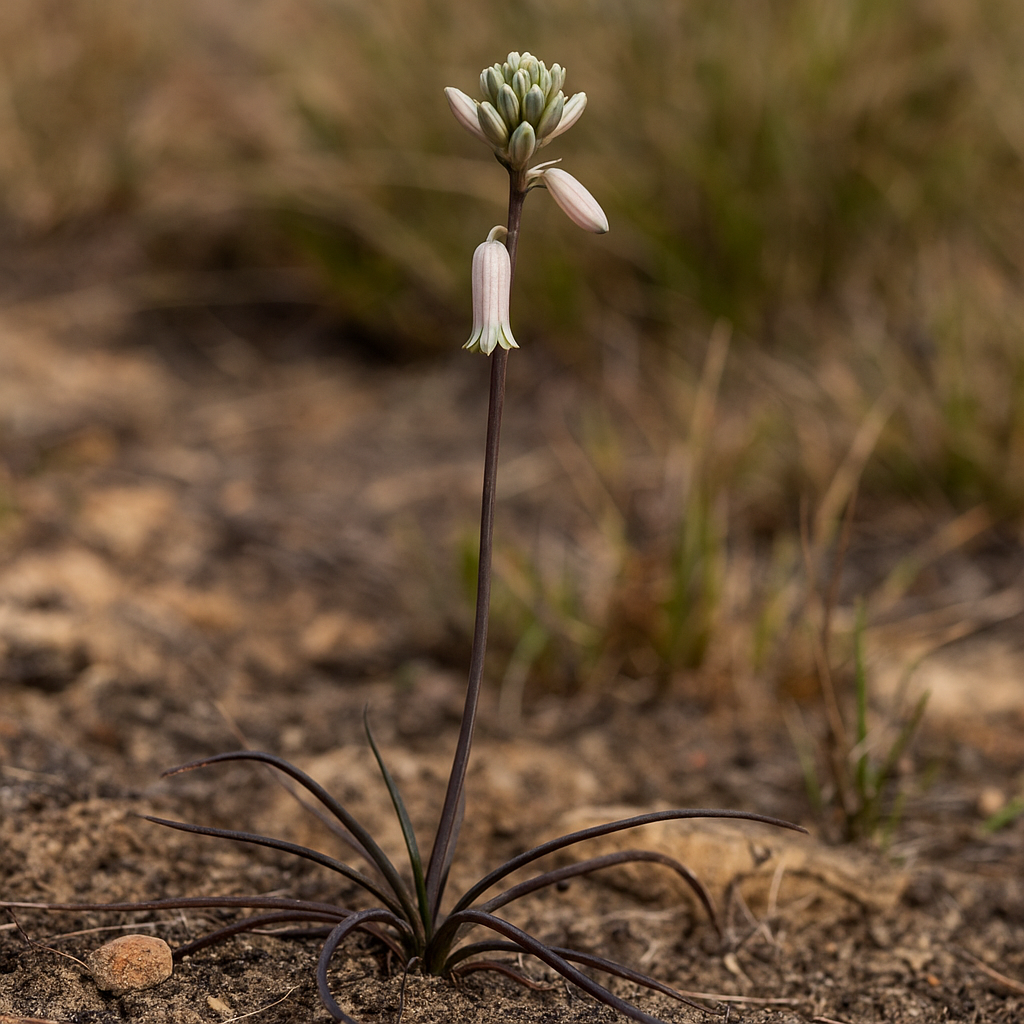
In nature this dwarf aloe is endemic to South Africa, known from the Pondoland region of the Eastern Cape, where it grows on shallow sandstone bedrock among grasses in open, sunny grassland. The plant itself stays extremely low and subtle, forming a small, stemless rosette with thin, wiry, grass-like leaves that can sprawl outward and hug the ground. Leaf colour ranges from dark green to purplish-green, often deepening toward the base, with minute marginal teeth that are easy to miss unless you look closely – perfectly matching the understated, miniature look of the plant in cultivation.
When it flowers, Aloe liliputana becomes a tiny beacon in the veld. A slender, wiry stalk rises above the rosette to carry a small, head-like cluster of pale pink to whitish-pink tubular flowers with greenish tips, creating a soft, pastel contrast against the earthy grassland tones. Flowering is mainly in late summer (typically February to March), and the bloom stalk can make the plant look far taller than it is – an enchanting “surprise” for anyone who has only seen the rosette. For growers, this species is an excellent seed subject: it’s well-suited to careful, well-drained cultivation and is a wonderful way to add a genuinely unusual, conversation-starting aloe to a serious succulent collection.


