




Salvia farinacea – Blue Sage, Blue Bedder, Mealycup Sage – 5 Seed Pack
R17,50
INTERNATIONAL CUSTOMERS: Please read our shipping terms and conditions here before placing your order: Shipping Terms and Conditions
17 in stock
Salvia is the largest genus of plants in the mint family, Lamiaceae, with nearly 1000 species of shrubs, herbaceous perennials, and annuals. The name Salvia derives from the Latin salvere (“to feel well and healthy, health, heal”), the verb related to salus (health, well-being, prosperity or salvation); referring to the herb’s healing medicinal properties. Pliny the Elder was the first author known to describe a plant called “Salvia” by the Romans, likely describing the type species for the genus Salvia, Salvia officinalis. The common modern English name sage derives from Middle English sawge, which was borrowed from Old French sauge, and like the botanical name, stems from Latin salvere. When used without modifiers, the name ‘sage’ generally refers to Salvia officinalis (“common sage” or “culinary sage”); however, it is used with modifiers to refer to any member of the genus. The ornamental species are commonly referred to by their genus name Salvia.
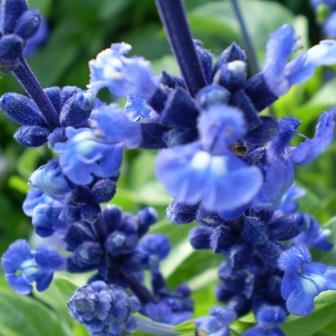
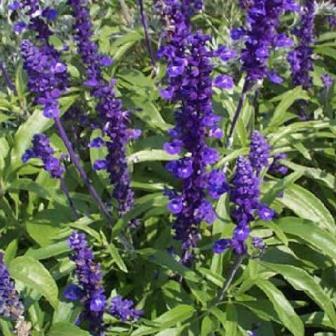
Salvia farinacea commonly known as Blue Sage, Blue Bedder and Mealycup Sage is an herbaceous perennial native to Mexico and parts of the United States. They flower for a long period, do well in hot, dry conditions and are pleasantly fragrant. Violet-blue spikes rest on a compact plant of typically narrow salvia-like leaves; however, the shiny leaves are what set this species apart from most other Salvia, which bear velvety-dull leaves. Blue Sage can be used for massing, borders, containers, accents and cut flowers. It is also used extensively in dried arrangements because the flowers dry to a deep blue. This plant requires full or part-sun and will grow to 45cm or more with good soil. This plant will attract butterflies and birds, most notably hummingbirds, to the garden.


