
Aloe bernadettae (Aloe bernadetteae) – 5 Seed Pack
R145,00
INTERNATIONAL CUSTOMERS: Please read our shipping terms and conditions here before placing your order: Shipping Terms and Conditions
10 in stock
Aloe is one of the most captivating succulent genera on Earth, celebrated for its bold architectural rosettes, resilient nature, and spectacular seasonal flower displays. From neat, miniature species that tuck themselves into rocky crevices to dramatic, stem-forming giants that dominate dry hillsides, aloes bring an unmistakable sense of place—sunlit, water-wise, and wonderfully wild—wherever they are grown.
What truly sets Aloe apart is the combination of sculptural foliage and nectar-rich blooms. The leaves range from smooth and glaucous to spotted, toothed, and richly textured, often changing colour with sun, drought, or cool weather. When they flower, aloes send up striking spikes or branched candelabras topped with tubular blooms in fiery reds and oranges, soft corals and pinks, or even yellows and greens—magnets for pollinators and a highlight in any garden or collection.
With origins spanning Africa, Madagascar, the Arabian Peninsula and surrounding regions, Aloe has evolved to thrive in demanding environments—making many species naturally suited to xeriscaping, rock gardens, containers, and drought-tolerant landscapes. Whether you’re a first-time grower or a seasoned collector, raising aloes from seed is especially rewarding: every plant tells a slightly different story, and each one matures into a unique, living sculpture that becomes more impressive with every season.
Aloe bernadettae (Aloe bernadetteae)
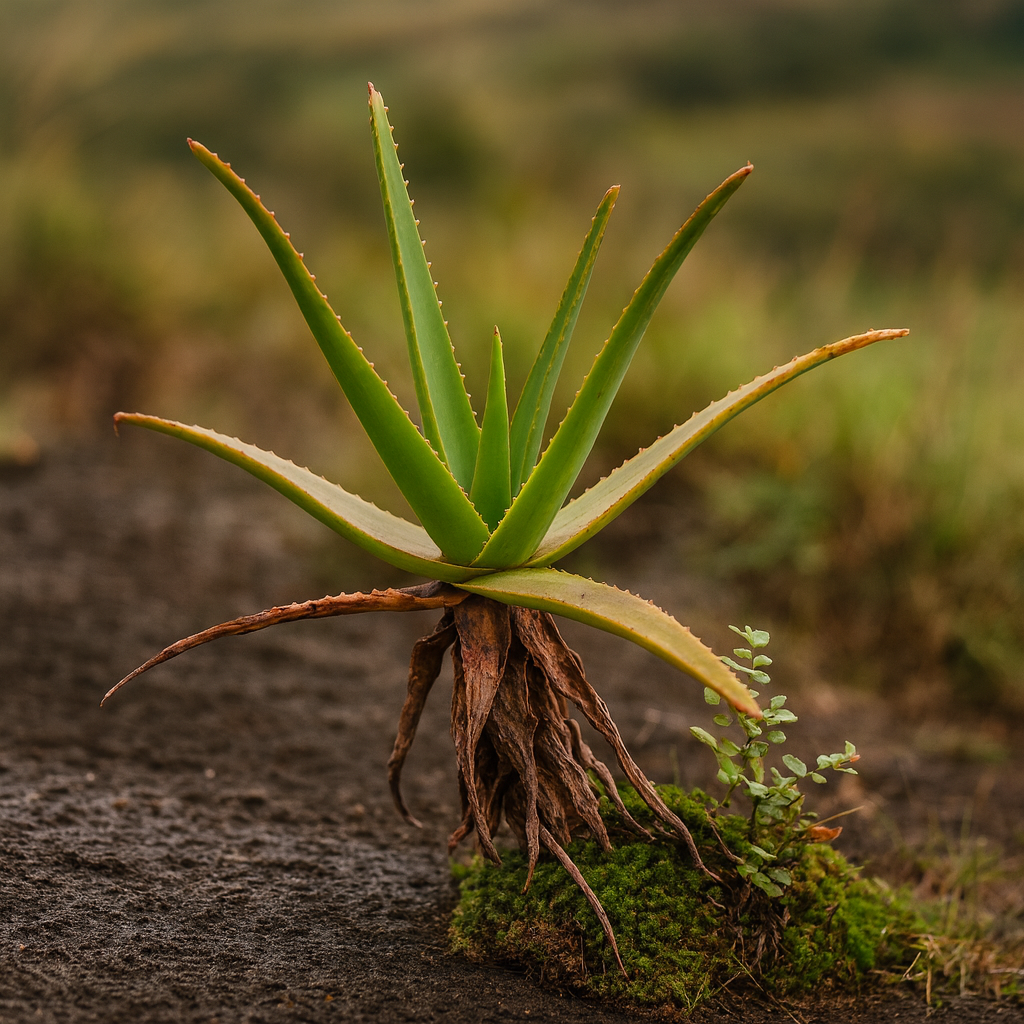
Aloe bernadettae is a rare Madagascan cliff-dweller for collectors who appreciate elegance and drama in a compact plant. Endemic to south-eastern Madagascar, it is known only from gneiss rock outcrops in the Toliara (Tolagnaro/Fort-Dauphin) region, where solitary rosettes sit anchored on bare rock, often sharing their perch with mosses, ferns and tiny shrubs. In this rugged, windswept landscape the plants develop short trunks that cling to the stone, giving them a distinctive “perched” look.
Plants are stem-forming and eventually offset, the prostrate stems creeping to around 1.5 m long and about 6 cm thick, with fresh rosettes at the tips. Each rosette carries 15–20 narrow, spear-shaped leaves, rich green to slightly yellow-green in strong light. The blades can reach about 70 cm long but remain only 3–7 cm wide, so they sweep out in a graceful star, with the outer leaves lying almost horizontal over the rock while the inner leaves point upwards. Along the margins runs a neat row of small, slightly curved teeth about 2 mm long, spaced 7–10 mm apart, giving a finely serrated edge without making the plant excessively spiny. Old, dried leaves form a skirt at the base of the rosette and over the rocky perch, exactly as seen in the habitat photographs, adding character and texture.
When mature, Aloe bernadettae sends up a single, upright flower stalk to around 80 cm tall, topped by a dense, cylindrical raceme 15–20 cm long that can hold 80–100 flowers. The buds are tightly packed at first, then open into neat, lemon-yellow, bell-shaped blooms about 16 mm long, with the stamens and style protruding slightly to present pollen to visiting insects. A small tuft of sterile bracts crowns the top of the inflorescence, a charming detail that sets this species apart. Flowering in habitat has been recorded in the warmer months, and in cultivation you can expect a similar late-spring to summer display once plants are well established.
In South Africa Aloe bernadettae thrives in very free-draining, gritty soil in full sun to bright light, making it ideal for rock gardens, raised pockets in retaining walls or container culture in frost-free coastal and subtropical regions. International growers can re-create its Madagascan cliff home in a large pot or trough with a rocky, mineral mix, good air movement and careful watering – allow the mix to dry between waterings and keep relatively dry and cool in winter. For enthusiasts of Madagascan aloes and anyone who loves the look of a solitary rosette poised dramatically on rock, Aloe bernadettae is a truly special addition.


