
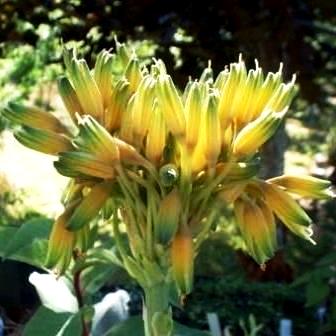
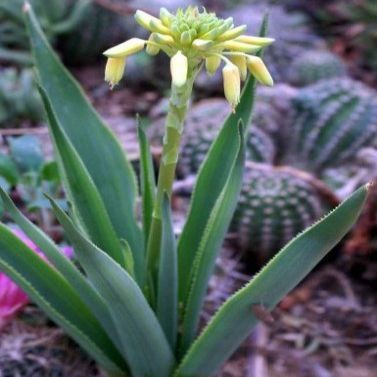
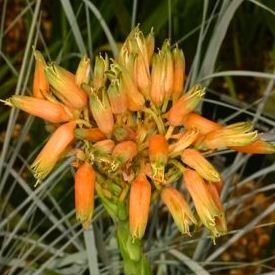
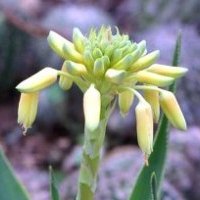

Aloe ecklonis – Grass Aloe; Grasaalwyn – 5 Seed Pack
R19,50
INTERNATIONAL CUSTOMERS: Please read our shipping terms and conditions here before placing your order: Shipping Terms and Conditions
25 in stock
Aloes are very popular and some of the most rewarding plants to cultivate. They make excellent accent plants owing to their often strange and inspiring architectures, as well as the bright flowers that offset the grey-green leaves. They are also very suitable as container plants and small aloes can be used very effectively as border plants at the edge of a bed. Although aloes are most often included in rockeries, their application in horticulture is not limited to this feature and they can be used in almost any setting and in conjunction with most common garden plants. Their natural adaptation to harsh and often arid climates makes aloes outstanding subjects for the water-wise garden. Aloe is a genus in the Asphodeloideae family containing about 600 species of flowering succulent plants. Aloes are sometimes confused with Agaves. Contrarily to Agaves, Aloe leaves contain a gel like sap. Another difference is that Aloes don’t die after blooming as most Agaves do.
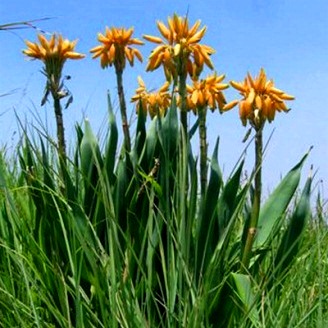
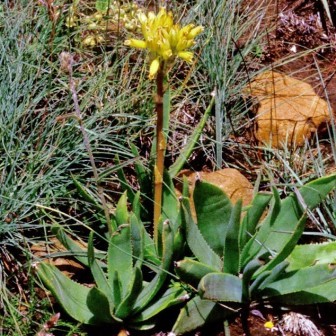
Aloe ecklonis commonly known as Grass Aloe or Grasaalwyn in Afrikaans has little or no stem at all. It has dull green almost blue leaves to 40cm long with a spotted lower surface & toothed margins. This frost resistant Aloe is drought tolerant and during winter it bears amazingly beautiful variable yellow to salmon-red flowers. Not only is it indigenous but it is also endemic to South Africa and can be found growing in grassland from the Eastern Cape to Mpumalanga. Plant Aloe ecklonis in full sun to partial shade in well-drained soil. Aloes are very popular and some of the most rewarding plants to cultivate. They make excellent accent plants owing to their often strange and inspiring architectures, as well as the bright flowers that offset the grey-green leaves. They are also very suitable as container plants and small aloes can be used very effectively as border plants at the edge of a bed. Although aloes are most often included in rockeries, their application in horticulture is not limited to this feature and they can be used in almost any setting and in conjunction with most common garden plants.


