
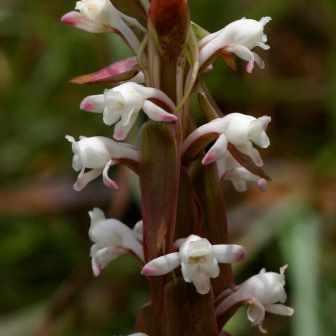
Satyrium longicauda var longicauda – Blushing Bride Satyrium, Long-tailed Trewwa; Langsterttrewwa – 10+ Seed Pack
R21,25
INTERNATIONAL CUSTOMERS: Please read our shipping terms and conditions here before placing your order: Shipping Terms and Conditions
15 in stock
Satyrium is a captivating genus of terrestrial orchids in the family Orchidaceae, treasured for its bold, often sculptural flower spikes, paired floral spurs, and unmistakably exotic presence. Native across tropical and southern Africa, with extensions to the western Indian Ocean islands and parts of Asia, the genus reaches some of its greatest diversity and horticultural fascination in southern Africa, especially the Cape flora and grassland regions. Unlike many familiar orchids, Satyrium species grow from underground tuberoids and follow a distinct seasonal rhythm, emerging, flowering, setting seed, and then retreating into dormancy. Their flowers may be pink, rose, white, red, orange, yellowish or greenish depending on species, and many are adapted to highly specialised pollinators, including sunbirds, moths and other nectar-seeking visitors. Elegant, rare, and often challenging, Satyrium is a genus for growers who appreciate the patience and precision required to cultivate South Africa’s most remarkable terrestrial orchids.
Satyrium longicauda var longicauda commonly known as Blushing Bride Satyrium, Langsterttrewwa or Long-tailed Trewwa is a South African indigenous species from the Eastern Cape, KwaZulu-Natal, Limpopo, Mpumalanga and Western Cape Provinces where it can be found growing from Plettenberg Bay to tropical Africa. It is normally encountered in Albany Thicket, Fynbos and Savanna. It grows to 40 cm tall. This summer rainfall species has white or pink sweetly scented flowers during summer. The tuberous roots are edible and also used as love charms. Growing orchids from seed is a fairly specialized undertaking and it requires a bit of understanding of tissue culture techniques. If you have never grown orchids from seed we recommend that before attempting this you should first contact your local Orchid Society, or purchase a book on the subject, or both!


