
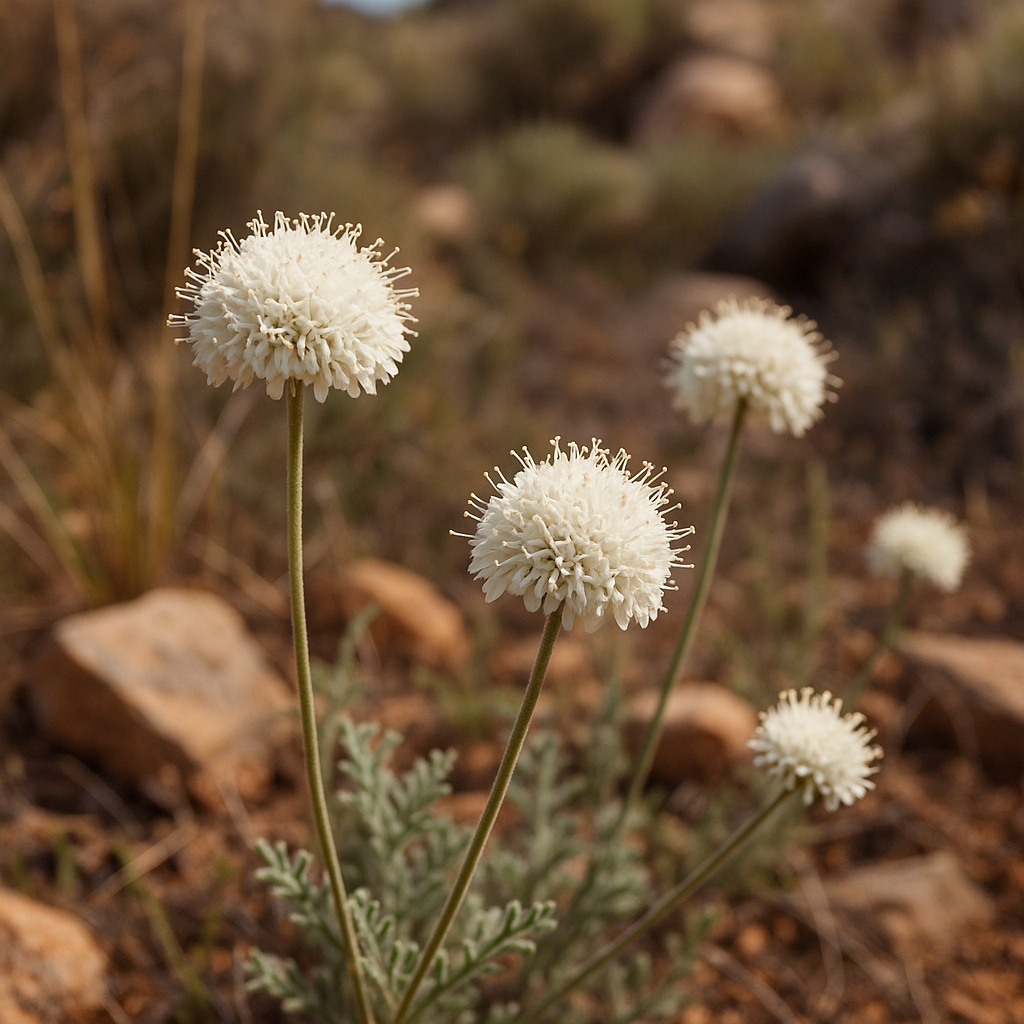
Cephalaria decurrens (Scabiosa decurrens) – Bokkeveld Mock Scabious – 5 Seed Pack
R31,50
INTERNATIONAL CUSTOMERS: Please read our shipping terms and conditions here before placing your order: Shipping Terms and Conditions
18 in stock
Cephalaria is a wonderful “behind-the-scenes star” for gardeners who love movement, meadows and pollinators. Belonging to the honeysuckle family (Caprifoliaceae, formerly Dipsacaceae), this genus of around 100 species is spread from southern Europe and western Asia right down into northern and southern Africa. Most species are annual or perennial herbs, sending up slender stems topped with rounded, pincushion-like flower heads that look very much like scabious – hence the common association with “giant scabious” or “mock scabious” in gardens.
The genus name comes from the Greek kephalé, meaning “head”, referring to the dense flower heads made up of many tiny individual florets packed together like a miniature bouquet. In southern Africa, Cephalaria is surprisingly diverse, with roughly 14 species recorded; some are widespread grassland perennials, others are local Cape endemics confined to very specific rocky slopes or escarpments. Their long, wiry stems and soft, pale flower heads float above grasses and companion perennials, creating that airy, naturalistic look that modern “meadow” and veld-style plantings are all about, while feeding bees and other insects throughout the summer.
For South African gardeners, Cephalaria offers a lovely bridge between classic cottage-garden scabious and our own indigenous grassland flora. Whether towering giants at 2 m tall or compact Cape perennials with creamy white buttons, they are excellent for wildlife-friendly borders, grassy mixes and collector’s beds focusing on local endemics.
Cephalaria decurrens – Bokkeveld Mock Scabious
Cephalaria decurrens is a very special Cape endemic for the serious indigenous collector – a true “connoisseur’s scabious” from the Bokkeveld. This species has a long taxonomic history: older literature also knew it as Scabiosa decurrens or Scabiosa ustulata, and later as Succisa decurrens and Cephalaria ustulata, reflecting its shifting position between scabious-like genera. Today it is recognised as Cephalaria decurrens, a rare member of the genus restricted to the Bokkeveld Escarpment and southwestern Cape Provinces. For South African gardeners with a passion for threatened fynbos and renosterveld flora, this is an opportunity to grow a plant that barely occurs anywhere else on earth.
In habit, Cephalaria decurrens is a soft-textured, herbaceous perennial with its leaves mostly at the base and along the lower stems, forming a leafy clump from which long, slender peduncles rise to about knee- to waist-height. It is closely similar in appearance to the better-known Cephalaria zeyheriana, sharing the same soft leaves and rounded “mock scabious” heads, but differing in the shape of its involucral bracts. The flower heads are globose, creamy white to soft white, with exserted stamens that give them a delicate, fringed look, held aloft on wiry stalks that dance above the surrounding vegetation. The overall effect is light and airy – perfect for adding texture and movement to a naturalistic bed or grassland planting. Like other Cephalaria, the blooms are highly attractive to bees and other pollinators.
Flowering in Cephalaria decurrens is expected in the summer months, much like its close relative C. zeyheriana, which flowers from November to March across its range. In a Cape garden this translates to soft white pincushions floating above the foliage through the heart of the growing season, blending beautifully with restios, small grasses and fine-foliaged daisies. Being a perennial herb from the winter-rainfall south-western Cape, C. decurrens appreciates well-drained, stony or sandy soils and full sun, and rewards gardeners who mimic its natural Bokkeveld escarpment habitat with modest feeding and careful watering. For South African buyers who love to champion local rarities and create refuge plantings beyond the wild populations, seed of Cephalaria decurrens is both a talking point and a small, practical contribution to ex-situ conservation.


