
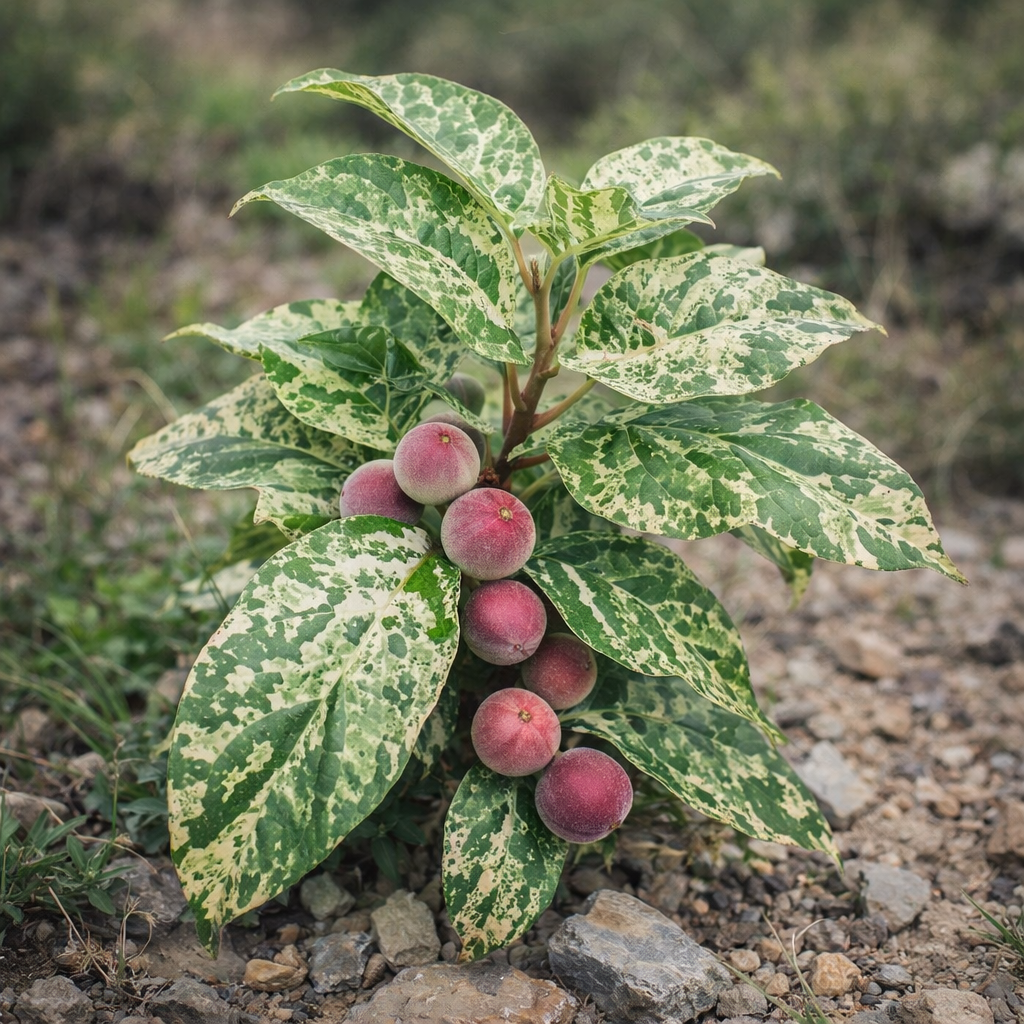
Ficus aspera (Ficus parcellii) – Mosaic-leaf Fig – 5 Seed Pack
R39,50
INTERNATIONAL CUSTOMERS: Please read our shipping terms and conditions here before placing your order: Shipping Terms and Conditions
22 in stock
Ficus is a pan-tropical genus of about 850 species of woody trees, shrubs, vines, epiphytes and hemiepiphytes in the family Moraceae. Ficus occupies a wide variety of ecological niches; most are evergreen, but some deciduous species are endemic to areas outside of the tropics and to higher elevations. Fig species are characterized by their unique inflorescence and distinctive pollination syndrome, which utilizes wasp species belonging to the Agaonidae family for pollination. The fruit of most species are edible though they are usually of only local economic importance or eaten as bushfood. However, they are extremely important food resources for wildlife. Figs are also of considerable cultural importance throughout the tropics, both as objects of worship and for their many practical uses.
Ficus aspera (Ficus aspera ‘Parcellii’, Ficus parcellii) – Rough-leaved Fig, Clown Fig, Mosaic-leaf Fig
If you’re looking for a foliage-and-fruit showstopper that stays botanical rather than “too ornamental,” Ficus aspera is a truly distinctive fig to grow from seed. It forms an evergreen shrub to small tree with a naturally lush, tropical presence, yet it can look perfectly at home in bright, rocky, well-drained ground where the light is clean and the air is warm. For collectors, it’s the unusual combination of bold leaves and jewel-like figs that makes this species so addictive.
In the wild, Ficus aspera is native to the western Pacific island region (notably areas such as New Caledonia and Vanuatu and nearby island groups), where it grows in warm climates with seasonal moisture. That island origin shows in its preference for frost-free conditions and its ability to respond quickly to warmth and summer rainfall with fresh growth. In South Africa it’s best suited to subtropical, coastal, and other mild, frost-free gardens, while international growers will find it happiest anywhere that winters are gentle and light levels are high.
The plant’s most striking feature is its rough-textured, thick, oval leaves, frequently showing dramatic green-and-cream marbling that creates a “splashed paint” effect across the canopy. The figs are produced in clusters, often along older wood, and are rounded and slightly velvety to the touch; they can appear greenish when young, then develop pink-to-rose tones and deepen toward richer reddish-purple as they mature, creating a bold contrast against the patterned foliage. Like other figs, the true flowers are tiny and enclosed within the fig structure, so the “flower colour” is effectively inconspicuous (pale/cream internally), with the decorative display coming from the developing and ripening figs.
Flowering and fruiting timing can vary with climate, but in warm conditions Ficus aspera commonly flowers and sets figs through the warmer months, often from summer into autumn, and may fruit intermittently when conditions remain favourable. Seeds are best sown in warmth with bright light and consistently moist (but never waterlogged) medium, as young figs respond quickly when kept humid and protected. As with many variegated figs, seed-grown plants can show natural variation, which is part of the appeal for collectors – expect vigorous, characterful seedlings and the chance of especially striking leaf patterning in select individuals.


