
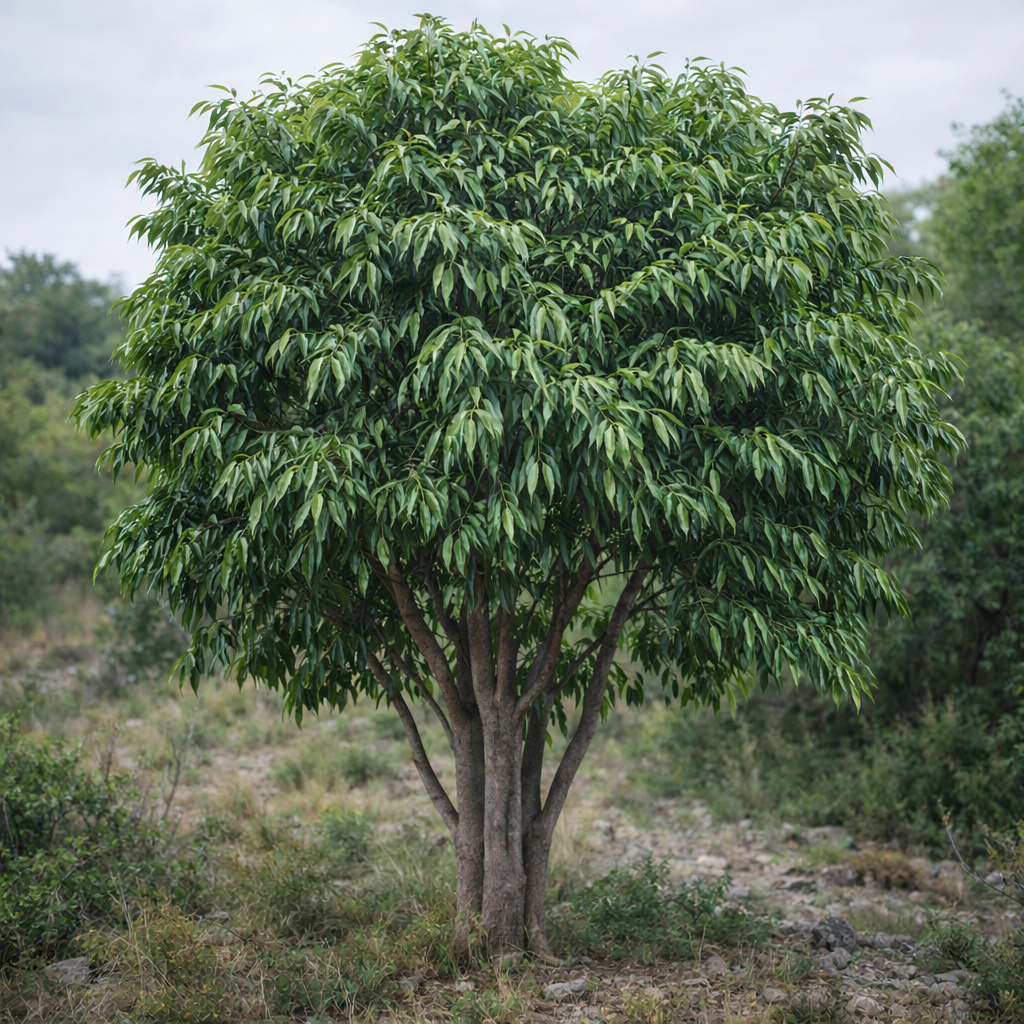
Ficus binnendijkii (Ficus maclellandii) – Long-leaf Fig, Willow-leaf Fig – 5 Seed Pack
R24,50
INTERNATIONAL CUSTOMERS: Please read our shipping terms and conditions here before placing your order: Shipping Terms and Conditions
23 in stock
Ficus is a pan-tropical genus of about 850 species of woody trees, shrubs, vines, epiphytes and hemiepiphytes in the family Moraceae. Ficus occupies a wide variety of ecological niches; most are evergreen, but some deciduous species are endemic to areas outside of the tropics and to higher elevations. Fig species are characterized by their unique inflorescence and distinctive pollination syndrome, which utilizes wasp species belonging to the Agaonidae family for pollination. The fruit of most species are edible though they are usually of only local economic importance or eaten as bushfood. However, they are extremely important food resources for wildlife. Figs are also of considerable cultural importance throughout the tropics, both as objects of worship and for their many practical uses.
Ficus binnendijkii (Ficus maclellandii) – Long-leaf Fig, Willow-leaf Fig
For growers who love figs but want something sleeker and more architectural than the broad-leafed classics, Ficus binnendijkii is a standout species to raise from seed. It naturally develops into an elegant small to medium tree with a rounded, dense crown and a calm, evergreen presence – an ideal choice for creating shade, structure, and year-round greenery in warm-climate gardens. Given time, it forms a sturdy, multi-stemmed silhouette with smooth grey bark and a refined canopy that looks neat without constant pruning.
Native to Southeast Asia (from the Indian subcontinent eastward through parts of Indochina and the Malay region), this fig is adapted to warm conditions and seasonal rainfall, thriving where summers are long and winters are mild. In South Africa it is best suited to frost-free or very light-frost areas – particularly coastal, lowveld, and sheltered urban gardens—while international growers in subtropical and tropical regions will find it an easy, reliable landscape tree once established. In drier climates it appreciates deep watering while young, then becomes notably tougher as its roots settle.
The foliage is the signature: narrow, elongated, glossy leaves with a gently drooping habit that creates a “willow-like” texture, especially when the tree is in active growth. New leaves often emerge a fresher, lighter green before hardening off to a richer, deeper tone, giving the crown subtle movement and colour contrast. Like other figs, the flowers are tiny and hidden within the fig structure, so the “flower colour” is effectively not showy (pale/cream internally), with interest coming from the plant’s form and foliage rather than visible blossoms. Small, rounded figs may appear along the branches in suitable climates, ripening from green toward darker tones, and can attract birds where conditions support regular fruiting.
Flowering and fruiting times vary by climate, but in warm regions Ficus binnendijkii typically produces its enclosed flowers and developing figs during the warmer months, often from spring through summer and sometimes extending into early autumn. Seed-grown plants can show natural variation in vigour and leaf proportions, which makes raising a batch especially rewarding for collectors and landscapers seeking the best-performing individuals for their conditions. If you want a graceful evergreen fig with long, glossy leaves and a naturally full crown, this species offers a distinctive, high-value tree from the very first true leaves onward.


