
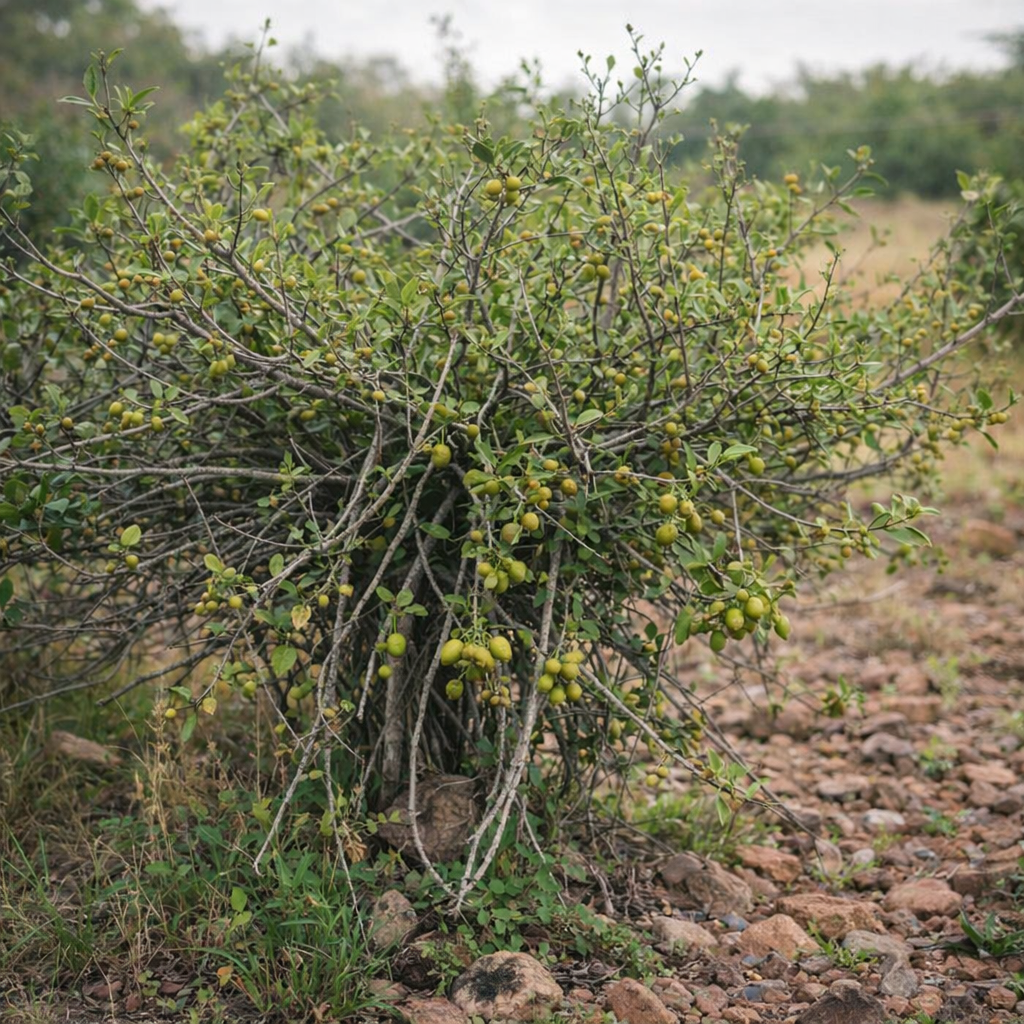
Ficus capreifolia (Ficus capreifolia Delile) – Riverine Sandpaper Fig; Rivier-skurwevy – 5 Seed Pack
R27,50
INTERNATIONAL CUSTOMERS: Please read our shipping terms and conditions here before placing your order: Shipping Terms and Conditions
34 in stock
Ficus is a pan-tropical genus of about 850 species of woody trees, shrubs, vines, epiphytes and hemiepiphytes in the family Moraceae. Ficus occupies a wide variety of ecological niches; most are evergreen, but some deciduous species are endemic to areas outside of the tropics and to higher elevations. Fig species are characterized by their unique inflorescence and distinctive pollination syndrome, which utilizes wasp species belonging to the Agaonidae family for pollination. The fruit of most species are edible though they are usually of only local economic importance or eaten as bushfood. However, they are extremely important food resources for wildlife. Figs are also of considerable cultural importance throughout the tropics, both as objects of worship and for their many practical uses.
Ficus capreifolia (Ficus capreifolia Delile) – Riverine Sandpaper Fig; Rivier-skurwevy
If you’re looking for a truly “wild” African fig with character, Ficus capreifolia is a standout. In nature it often grows as a dense, tangled, thicket-forming shrub or small tree, with a tough framework of twiggy branches carrying small, leathery, deep-green leaves. When in fruit it becomes especially striking, dotted with numerous fig “fruits” (syconia) borne in clusters along the branchlets – typically yellow-green to green at first, later ripening to warmer tones depending on maturity. Like all figs, the true flowers are hidden inside the fig structure, so the “blooms” are inconspicuous and generally pale cream to yellowish within the syconia rather than showy petals.
This species is native to sub-Saharan Africa, occurring across tropical regions and extending into parts of southern Africa, where it favours woodland margins, bushveld/savanna thicket, rocky slopes and well-drained ground, and can also appear near seasonal drainage lines and disturbed edges where light is good. It’s a plant of resilience – comfortable in hot summers, able to cope with intermittent drought once established, and perfectly suited to gardeners who want an authentic African woodland feel rather than a manicured ornamental.
From a grower’s perspective, Ficus capreifolia is rewarding from seed and offers real long-term value. Sow seed from fully ripe figs (cleaned of pulp) onto a fine, well-drained medium and keep it warm and evenly moist with bright light; germination is often best with fresh seed and can be variable, as is typical for figs. Seedlings are usually quick to establish a sturdy root system, after which they respond well to gentle shaping – making this a great candidate for wildlife planting, tough informal hedging, container training, and even bonsai-style development in frost-free or protected conditions.
Beyond its ornamental appeal, this is a highly ecological tree/shrub: figs are famous for supporting biodiversity, and a fruiting plant can draw in birds and other fruit-eating wildlife, enriching the life of a garden or restoration site. For South African growers it’s a strong choice for warmer regions and sheltered microclimates; for international growers, it’s a superb option anywhere with a mild to warm climate (or as a container specimen that can be protected from cold). If you want a fig with a naturally rugged silhouette, glossy foliage, and heavy fruiting potential, Ficus capreifolia is an excellent seed-grown investment.


