
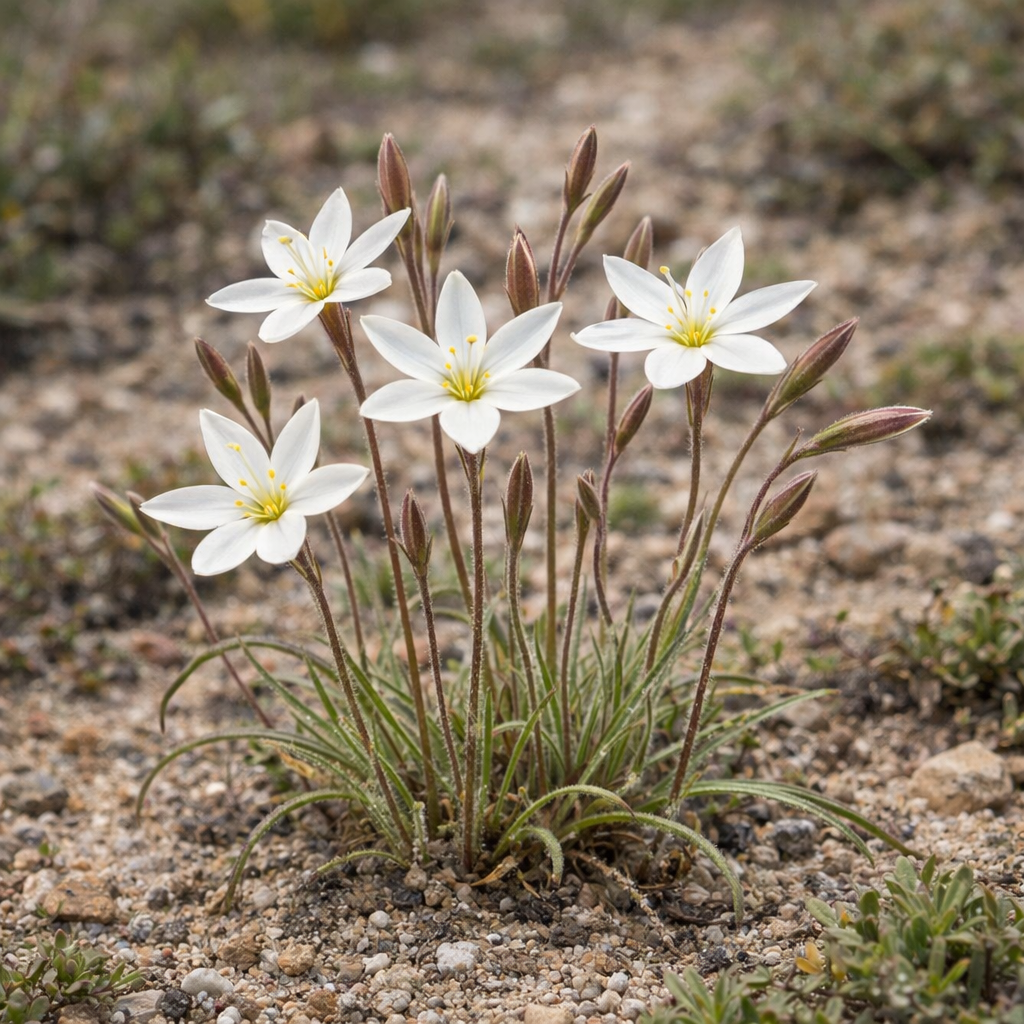
Hesperantha pseudopilosa (Hesperantha pilosa subsp. latifolia) – 5 Seed Pack
R27,50
INTERNATIONAL CUSTOMERS: Please read our shipping terms and conditions here before placing your order: Shipping Terms and Conditions
7 in stock
In the shifting seasonal rhythm of southern Africa, when winter rain softens the ground or late-summer storms awaken highland soils, Hesperantha rises with quiet drama. This genus of cormous Iridaceae is one of the continent’s most enchanting geophyte groups – plants that survive harsh dry seasons underground, then emerge at exactly the right moment to flower with astonishing precision. The name Hesperantha itself hints at the magic: many species open in the afternoon or evening, catching the last light of day and often releasing fragrance when pollinators are most active.
While some Hesperantha species glow in soft white or creamy lemon, others flare into vivid pinks, lilacs, and deep magentas – delicate stars held on fine stems above grassland, renosterveld, fynbos sands, or mountain seeps. Their flowers can be deceptively simple at a glance, yet up close they reveal refined structure: elegant tepals, narrow tubes, and neatly poised stamens that give each species its own distinctive personality. Some are dainty miniatures that tuck between stones; others reach nearly half a metre tall, weaving through surrounding vegetation in airy colonies.
For gardeners, collectors, and habitat restorers alike, Hesperantha offers both beauty and authenticity. These are not generic “bulb flowers” – they are place-specific, shaped by substrate and climate, and deeply tied to South Africa’s botanical identity. Growing them from seed is especially rewarding: it captures the full life cycle of a wild geophyte and preserves locality character, while producing plants with natural resilience and seasonal rhythm.
Hesperantha pseudopilosa (Hesperantha pilosa subsp. latifolia)
Hesperantha pseudopilosa is a wonderfully textural species, valued as much for its fine, hairy stems and foliage as for its flowers. The plant has a distinctly “wild” look – slender growth, bristly details, and an overall habit that feels perfectly adapted to open, sunlit habitats where corms must cope with seasonal extremes.
It is a South African endemic species, and as the name suggests it sits close to the pilosa alliance in character. In cultivation, treat it as a drainage-first bulb: gritty soil, bright light, and careful seasonal watering will keep plants compact and prevent losses during dormancy. It extends from interior Namaqualand near the Langberg and the Bokkeveld Mountains and western Karoo in the Northern Cape Province, to the Laingsburg Karoo and interior of the Klein Swartberg in the Western Cape Province, growing on well-drained, usually stony sand.
Sow in a free-draining medium and maintain gentle moisture during active growth. Because this species is often admired for fine structural detail, avoid overly rich mixes that encourage soft, floppy growth. Given time, it develops into a charming, characterful colony that looks especially convincing in naturalistic bulb pans and fynbos-style plantings.


