


Sideroxylon inerme – White Milkwood; Witmelkhout, Melkbessie, Melkhoutboom – 3 Seed Pack
R28,50
INTERNATIONAL CUSTOMERS: Please read our shipping terms and conditions here before placing your order: Shipping Terms and Conditions
6 in stock
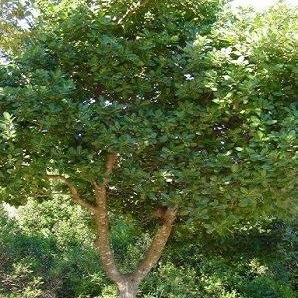
Sideroxylon inerme commonly known as White Milkwood in English and Witmelkhout, Melkbessie or Melkhoutboom in Afrikaans is a tree with a rich history and is a must for coastal gardens with its dense foliage, black berries and small, dainty white flowers. Sideroxylon inerme is a small to medium evergreen tree, which grows to a height of 10-15 m. The tree has a sturdy trunk that is normally 600mm in diameter, and a large, dense, rounded crown. The bark is normally grey-brown to black. Sideroxylon inerme is a protected species in South Africa. Three specimens have been proclaimed National Monuments. One of these is situated in Mossel Bay and is called the ‘Post Office Tree’. Portuguese soldiers in 1500 tied a shoe containing a letter on the tree, describing the drowning at sea of the famous Bartholomew Dias. This tree is said to be 600 years old. Another renowned specimen is the ‘Treaty Tree’ in Woodstock, Cape Town. Next to this tree stood a small house where the commander of local defences handed over the Cape to the British in 1806. The third National Monument is a tree called ‘Fingo Milkwood Tree’ near Peddie in the Eastern Cape. The Fingo people affirmed their loyalty to God and the British king under the tree after English soldiers led them to safety when Chief Hintza and his warriors pursued them. Bark and roots have medicinal value and are used to cure broken bones, to treat fevers, to dispel bad dreams, and to treat gall sickness in stock. The wood of the tree is said to very hard and fine-grained and is used as timber for building boats, bridges and mills. Ripe purple-black berries are said to be edible, with purple, juicy flesh and sticky white juice.


