

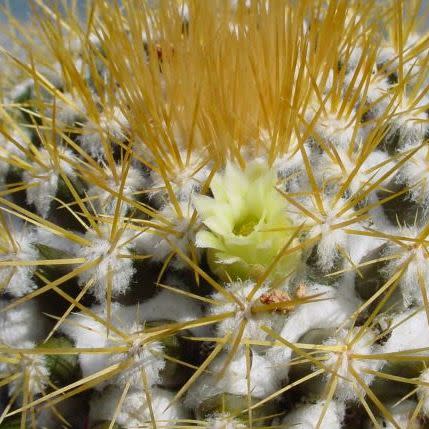
Mammillaria nivosa – Woolly Nipple Cactus – 5 Seed Pack
R7,50
INTERNATIONAL CUSTOMERS: Please read our shipping terms and conditions here before placing your order: Shipping Terms and Conditions
51 in stock
Mammillaria is one of the most charming, collectible and instantly recognisable genera in the cactus family, Cactaceae. These ornamental plants are famous for their compact globose to cylindrical bodies, their neat spirals of nipple-like tubercles, and their remarkable variety of spines, which may be soft and feathery, glassy white, golden, hooked, bristly or densely interwoven. The genus name comes from the Latin mammilla, meaning “nipple,” a reference to the rounded tubercles that replace the ribs seen in many other cacti.
Native mainly from the central and south-western United States through Mexico, Central America, the Caribbean and into northern South America, Mammillaria reaches its greatest diversity in Mexico, where many species occupy highly localised habitats such as limestone slopes, rocky grasslands, desert scrub, thornveld-like shrublands and exposed gravel plains.
What makes Mammillaria so appealing to collectors is the way small plants can carry enormous character. Some species form solitary, jewel-like buttons tucked close to the soil; others cluster into cushions or mounds that become increasingly impressive with age. Flowers are usually produced from the axils between the tubercles and often form a beautiful ring or crown around the upper body of the plant. Depending on the species, blooms may be white, cream, yellow, pink, rose, magenta, red or occasionally greenish, followed by colourful club-shaped fruits that can add extra ornamental value.
For seed growers, Mammillaria is especially rewarding because many species germinate readily and develop into attractive miniature cacti while still young. Seed-grown plants also have strong conservation value with many ex-situ propagated plants in trade. Growing from seed is therefore not only fascinating, but also one of the most ethical ways to build a diverse cactus collection.
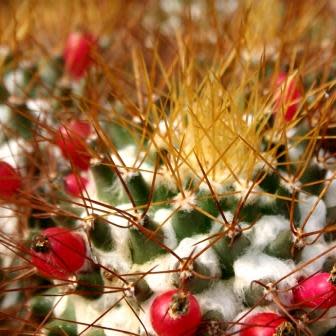
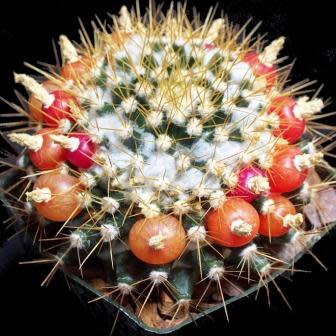
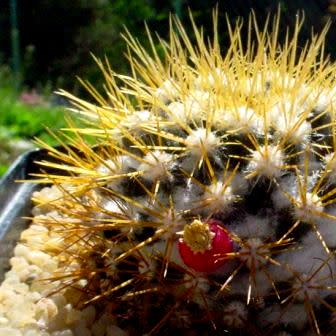
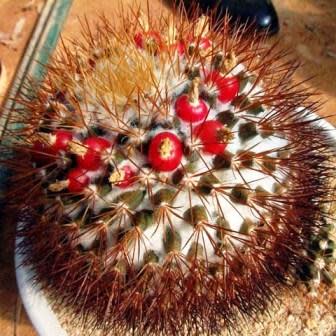
Mammillaria nivosa or Woolly Nipple Cactus as it is more commonly known is native to the Caribbean, and is less tolerant of cold weather than most cacti. They will need protection from temperatures lower than 5°C. It is important to keep them dry during cold weather or they can easily rot. They can be solitary plants or they can form large clusters. The individual stems dark green to bronze and are globose or short cylindrical in shape. There are 6 to 13 radial spines up to 20 mm long and yellow to dark brown in colour and usually 1 similar looking central spine. The flowers are yellow and followed by red fruits.


