
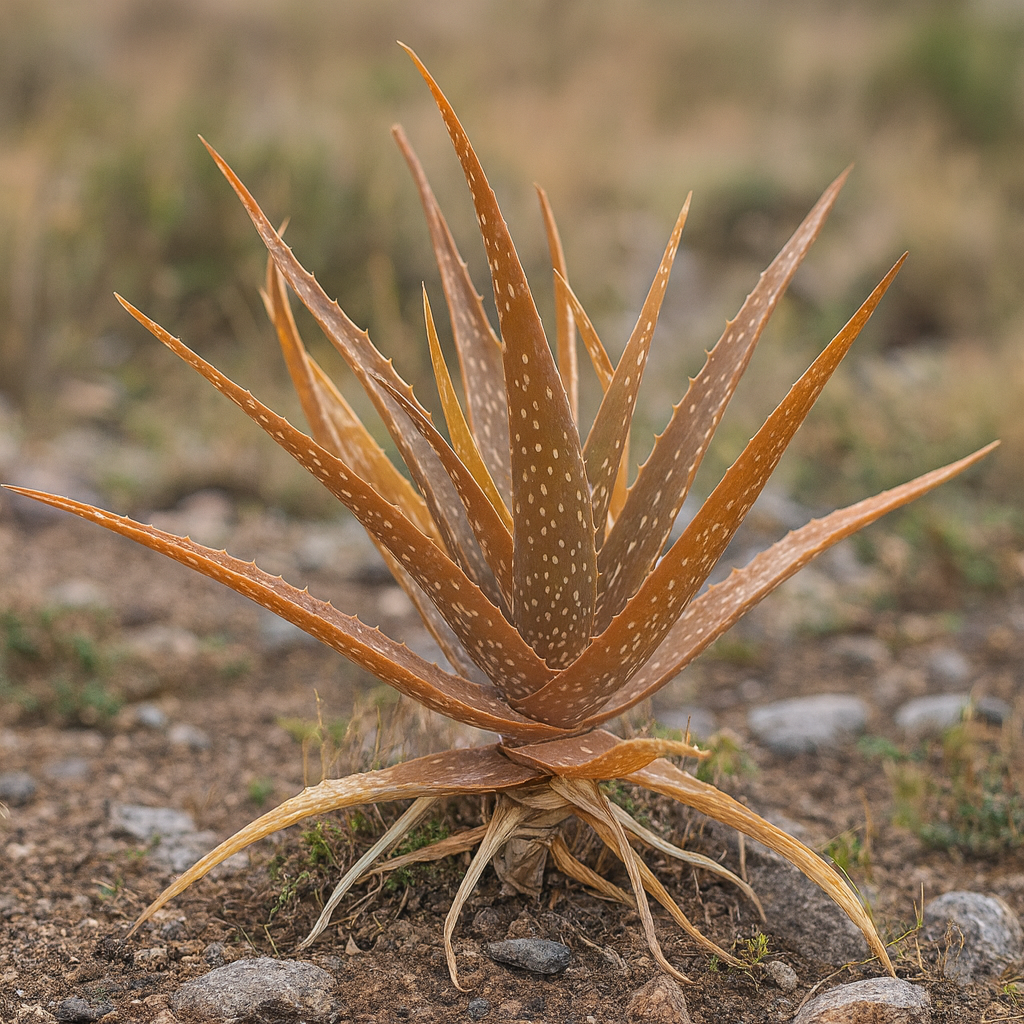
Aloe cataractarum – Waterfall Aloe – 5 Seed Pack
R125,00
INTERNATIONAL CUSTOMERS: Please read our shipping terms and conditions here before placing your order: Shipping Terms and Conditions
Out of stock
Email when stock available
Aloe is one of the most captivating succulent genera on Earth, celebrated for its bold architectural rosettes, resilient nature, and spectacular seasonal flower displays. From neat, miniature species that tuck themselves into rocky crevices to dramatic, stem-forming giants that dominate dry hillsides, aloes bring an unmistakable sense of place—sunlit, water-wise, and wonderfully wild—wherever they are grown.
What truly sets Aloe apart is the combination of sculptural foliage and nectar-rich blooms. The leaves range from smooth and glaucous to spotted, toothed, and richly textured, often changing colour with sun, drought, or cool weather. When they flower, aloes send up striking spikes or branched candelabras topped with tubular blooms in fiery reds and oranges, soft corals and pinks, or even yellows and greens—magnets for pollinators and a highlight in any garden or collection.
With origins spanning Africa, Madagascar, the Arabian Peninsula and surrounding regions, Aloe has evolved to thrive in demanding environments—making many species naturally suited to xeriscaping, rock gardens, containers, and drought-tolerant landscapes. Whether you’re a first-time grower or a seasoned collector, raising aloes from seed is especially rewarding: every plant tells a slightly different story, and each one matures into a unique, living sculpture that becomes more impressive with every season.
Aloe cataractarum – Waterfall Aloe
Aloe cataractarum is a truly choice cliff-dwelling aloe from the Chimala Scarp of south-western Tanzania, where it grows on steep rocky faces and ledges near waterfalls in a seasonally dry tropical biome.
Described only in 2007 and with no botanical synonyms currently in use, it is sometimes traded under the descriptive common name “Waterfall Aloe”.
Our seed offers collectors, landscapers and enthusiasts in South Africa and around the world the chance to cultivate an elegant, rarely seen species that brings a touch of wild East African escarpment scenery into pots, rock gardens and specialist collections.
Plants form offsetting rosettes on short, eventually trailing stems up to about half a metre long. Each stem terminates in a tight crown of 12–15 narrow, sword-shaped leaves that curve outward and down in a graceful, fountain-like spray. In bright light and drier conditions the foliage takes on the rich coppery to reddish-tan tones seen here, scattered with small pale spots and edged with neat white teeth along the margins, while in softer shade it can be a deeper, glossy green flushed bronze. Older leaves dry to straw at the base and curl around the stem, adding to the rugged, sculptural character that makes this species so striking against natural stone and gravel.
In season, mature plants send up much-branched, 30–40 cm tall inflorescences bearing horizontal racemes of bright red, tubular flowers that stand well clear of the foliage. The floral display is both delicate and dramatic, perfectly scaled to the size of the plant and highly attractive to nectar-feeding birds and insects. Flowering in habitat coincides with the warm, wetter part of the year, and under cultivation you can expect blooming once plants have formed sturdy rosettes and have been given a good summer growing period with regular but not excessive watering.
For South African and international growers, Aloe cataractarum is best treated as a crevice and container specialist that appreciates excellent drainage and plenty of light. Mimic its natural home by planting seed-grown youngsters into a very gritty, mineral mix or directly into rockwork, raised beds or sloping, stony ground where water never lingers around the roots. It thrives in full sun to bright, filtered light, with moderate watering in the warm months and a much drier rest in winter; protect from hard frost or keep in a cool, bright glasshouse in colder climates. From seed, growth is steady rather than fast, but the reward is a compact colony of distinctive plants, each with its own pattern of spots and coppery tones, perfectly suited to serious aloe collections, xeric landscapes and collectors who value truly wild, locality-based species.


