
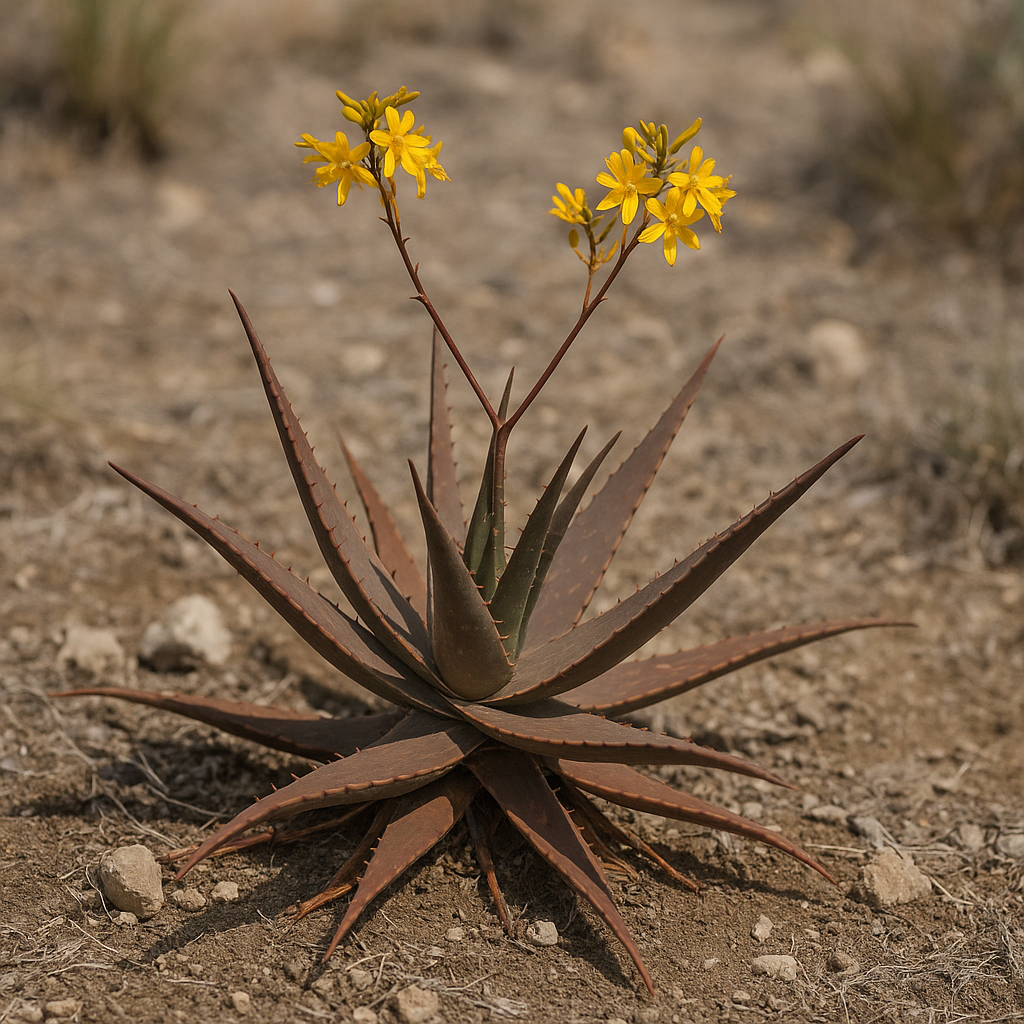
Aloe jibisana – Jibisa Aloe – 5 Seed Pack
R125,00
INTERNATIONAL CUSTOMERS: Please read our shipping terms and conditions here before placing your order: Shipping Terms and Conditions
5 in stock
Aloe is one of the most captivating succulent genera on Earth, celebrated for its bold architectural rosettes, resilient nature, and spectacular seasonal flower displays. From neat, miniature species that tuck themselves into rocky crevices to dramatic, stem-forming giants that dominate dry hillsides, aloes bring an unmistakable sense of place—sunlit, water-wise, and wonderfully wild—wherever they are grown.
What truly sets Aloe apart is the combination of sculptural foliage and nectar-rich blooms. The leaves range from smooth and glaucous to spotted, toothed, and richly textured, often changing colour with sun, drought, or cool weather. When they flower, aloes send up striking spikes or branched candelabras topped with tubular blooms in fiery reds and oranges, soft corals and pinks, or even yellows and greens—magnets for pollinators and a highlight in any garden or collection.
With origins spanning Africa, Madagascar, the Arabian Peninsula and surrounding regions, Aloe has evolved to thrive in demanding environments—making many species naturally suited to xeriscaping, rock gardens, containers, and drought-tolerant landscapes. Whether you’re a first-time grower or a seasoned collector, raising aloes from seed is especially rewarding: every plant tells a slightly different story, and each one matures into a unique, living sculpture that becomes more impressive with every season.
Aloe jibisana – Jibisa Aloe
If you love aloes with a truly wild, “discovered-on-a-mountain” feel, Aloe jibisana is the kind of plant that steals the show quietly. Rather than forming a rigid, upright rosette, it develops freely branching, sprawling leafy stems that can wander and layer into a low, textural clump. The narrow, tapering leaves carry small marginal teeth and, under strong sun and dry conditions, can take on warm bronzy to reddish tones that perfectly suit a rock-garden aesthetic.
In habitat this is a highly localised East African endemic, known from near the summit of Jibisa Mountain close to the Kenya–Ethiopia border, where it grows in exposed, well-drained, stony ground with sparse companion vegetation. Its flowering display is delicate but distinctive: slender stalks that are simple or only lightly branched, presenting clear yellow blooms that glow against the muted colours of gravel and rock. Flowering is often most impressive when the plant is grown hard—bright light, excellent airflow, and a mineral-lean, fast-draining root run.
For growers in South Africa and abroad, this is a rewarding species to raise from seed and to cultivate as a collectible that still feels “untamed.” Give seedlings bright light from early on, keep the medium airy and sharply draining, and water deeply but infrequently, allowing it to dry properly between soakings. In frost-prone regions, treat it as a container specimen for a bright, protected space; in mild climates it shines in raised beds, rocky slopes, and succulent gardens where its sprawling habit and yellow flowers can be appreciated up close.


