
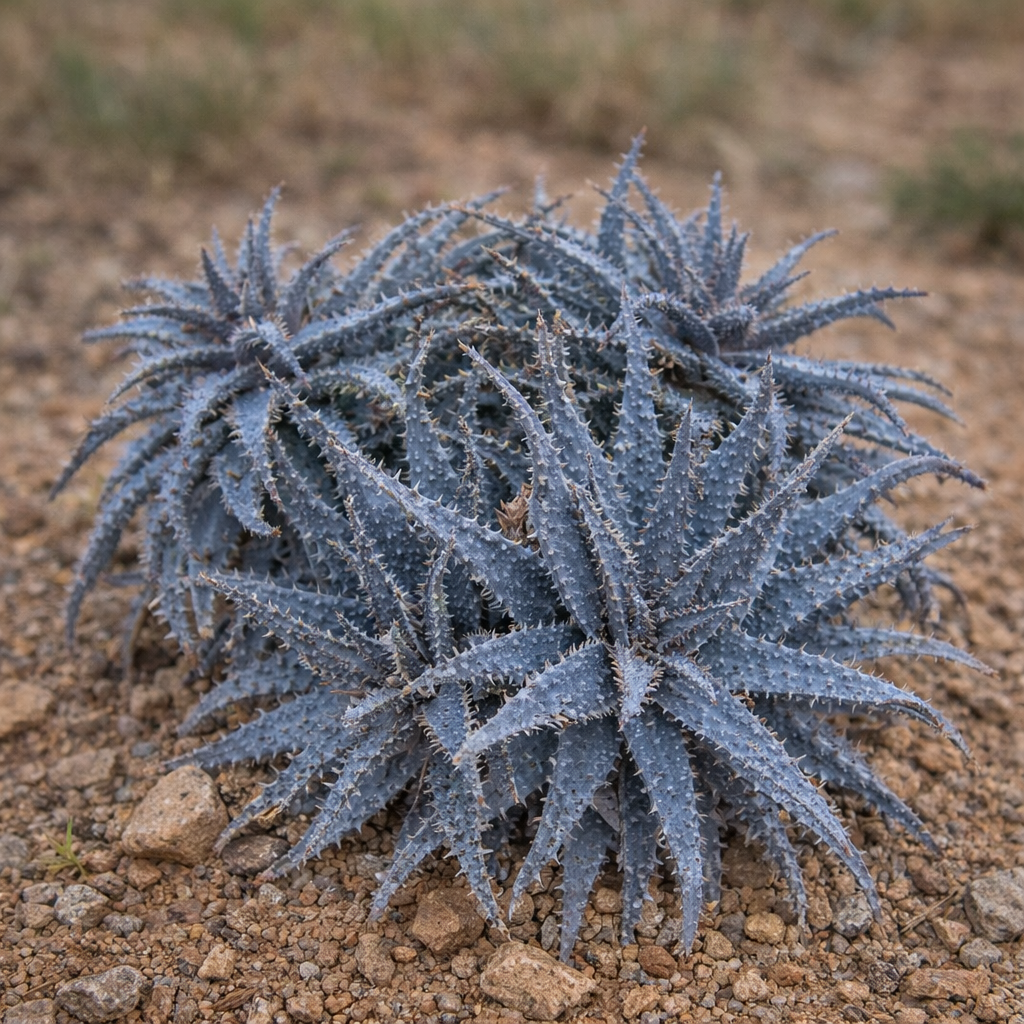
Aloe parvula – Dwarf Aloe – 5 Seed Pack
R125,00
INTERNATIONAL CUSTOMERS: Please read our shipping terms and conditions here before placing your order: Shipping Terms and Conditions
3 in stock
Aloe is one of the most captivating succulent genera on Earth, celebrated for its bold architectural rosettes, resilient nature, and spectacular seasonal flower displays. From neat, miniature species that tuck themselves into rocky crevices to dramatic, stem-forming giants that dominate dry hillsides, aloes bring an unmistakable sense of place – sunlit, water-wise, and wonderfully wild – wherever they are grown.
What truly sets Aloe apart is the combination of sculptural foliage and nectar-rich blooms. The leaves range from smooth and glaucous to spotted, toothed, and richly textured, often changing colour with sun, drought, or cool weather. When they flower, aloes send up striking spikes or branched candelabras topped with tubular blooms in fiery reds and oranges, soft corals and pinks, or even yellows and greens – magnets for pollinators and a highlight in any garden or collection.
With origins spanning Africa, Madagascar, the Arabian Peninsula and surrounding regions, Aloe has evolved to thrive in demanding environments – making many species naturally suited to xeriscaping, rock gardens, containers, and drought-tolerant landscapes. Whether you’re a first-time grower or a seasoned collector, raising aloes from seed is especially rewarding: every plant tells a slightly different story, and each one matures into a unique, living sculpture that becomes more impressive with every season.
Aloe parvula – Dwarf Aloe
Aloe parvula is a true “collector’s aloe” in miniature form, forming tight, hedgehog-like mounds of frosty blue-grey rosettes that look perfectly at home in a pebbly, rocky landscape. It’s the kind of plant that reads as wild and natural rather than “gardened,” with crisp texture and a rugged, alpine-to-arid charm that suits both modern succulent displays and naturalistic rockery plantings.
In growth, this species stays low and compact, offsetting freely to create dense clusters of narrow, tapering leaves. The rosettes have a cool, powdery blue-grey cast, highlighted by fine marginal teeth that give each leaf a subtly serrated silhouette. When mature and happy, Aloe parvula sends up slender flowering stems carrying tubular blooms in warm sunset tones – typically orange to coral-red, sometimes with slightly contrasting tips – adding a vivid vertical accent above the tight rosette clumps. Flowering is most often seen from late winter into spring (timing can shift with local climate and cultivation conditions).
In habitat, Aloe parvula is associated with Madagascar, where it grows in gravelly soils among stones with low surrounding vegetation. For growers, that translates to a straightforward recipe: bright light to full sun, sharp drainage (grit, gravel, and mineral-rich mixes), and careful watering that allows the roots to dry between cycles. Seed-grown plants reward patience with natural variation and the satisfaction of raising a hardy, clump-forming aloe that stays beautifully proportioned from pot to rock garden.


