

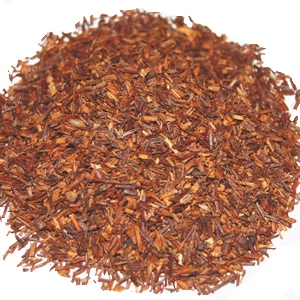


Aspalathus linearis – Rooibos Tea, Red Tea – 5 Seed Pack
R32,50
INTERNATIONAL CUSTOMERS: Please read our shipping terms and conditions here before placing your order: Shipping Terms and Conditions
161 in stock
Rooibos, Afrikaans for “red bush”; scientific name Aspalathus linearis is a broom-like member of the legume family, Fabaceae, of plants and is used to make a tisane (herbal tea). Commonly called South African red tea or simply red tea or bush tea, the product has been popular in South Africa for generations and is now consumed in many countries. It is sometimes spelled rooibosch in accordance with the Dutch etymology, but “roy-boss” remains the correct pronunciation. Rooibos is grown only in a small area in the Cederberg region of the Western Cape province. Generally, the leaves are oxidized, a process often, and inaccurately, referred to as fermentation by analogy with tea processing terminology. This process produces the distinctive reddish-brown color of rooibos and enhances the flavour. Unoxidized “green” rooibos is also produced, but the more demanding production process for green rooibos (similar to the method by which green tea is produced) makes it more expensive than traditional rooibos. In South Africa it is more common to drink rooibos with milk and sugar, but elsewhere it is usually served without. The flavor of rooibos tea is often described as being sweet (without sugar added) and slightly nutty. Preparation of rooibos tea is essentially the same as black tea save that the flavour is improved by longer brewing. The resulting brew is a reddish brown color, explaining why rooibos is sometimes referred to as “red tea”. Rooibos translates to “Red Bush” in Afrikaans, a South African language descended from Dutch. Several coffee shops in South Africa have recently begun to sell red espresso, which is concentrated rooibos served and presented in the style of ordinary espresso (which is normally coffee-based). This has given rise to rooibos-based variations of coffee drinks such as red lattes and red cappuccinos. Rooibos is becoming more popular in Western countries particularly among health-conscious consumers, due to its high level of antioxidants such as aspalathin and nothofagin, its lack of caffeine, and its low tannin levels compared to fully oxidized black tea or unoxidized green tea leaves. “Green” rooibos has a higher antioxidant capacity than fully oxidised rooibos.


