
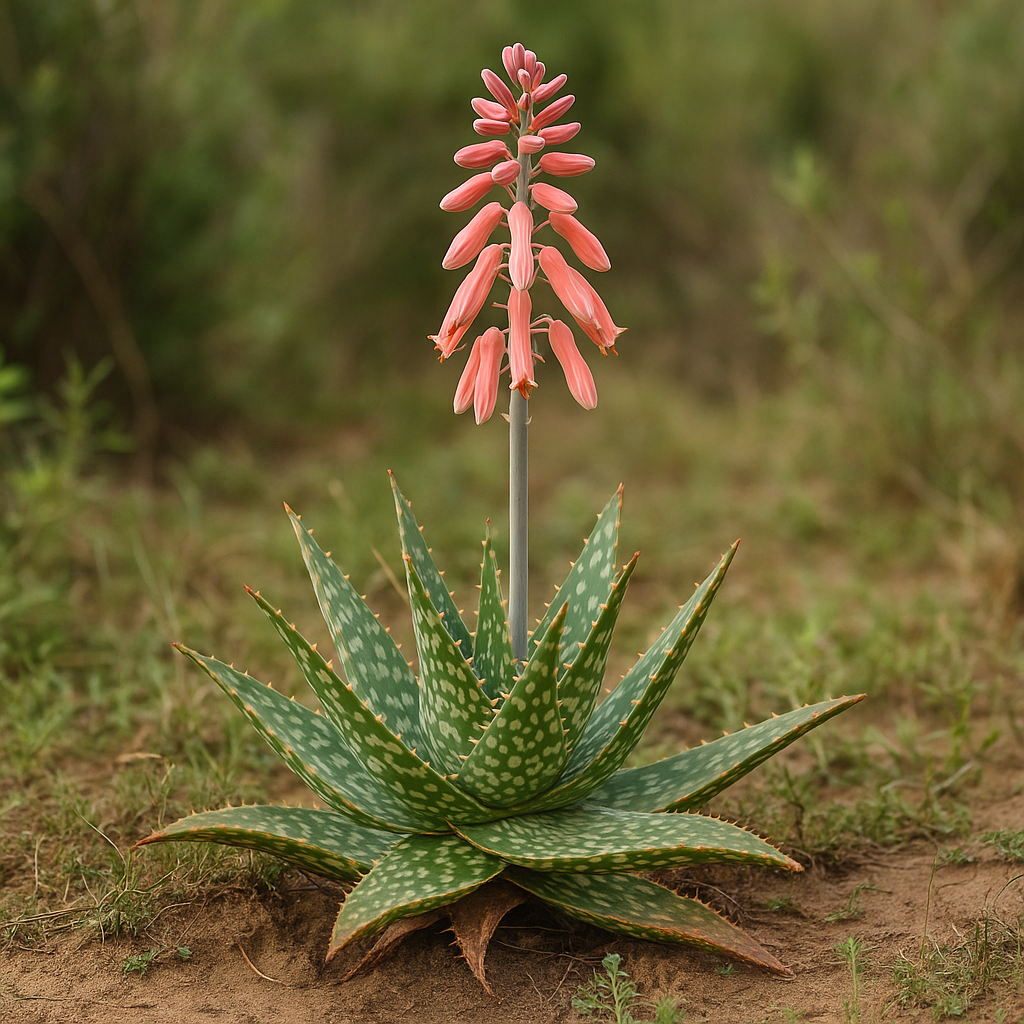
Aloe komatiensis – Komati Aalwyn, Komati River Aloe – 5 Seed Pack
R125,00
INTERNATIONAL CUSTOMERS: Please read our shipping terms and conditions here before placing your order: Shipping Terms and Conditions
4 in stock
Aloe is one of the most captivating succulent genera on Earth, celebrated for its bold architectural rosettes, resilient nature, and spectacular seasonal flower displays. From neat, miniature species that tuck themselves into rocky crevices to dramatic, stem-forming giants that dominate dry hillsides, aloes bring an unmistakable sense of place—sunlit, water-wise, and wonderfully wild—wherever they are grown.
What truly sets Aloe apart is the combination of sculptural foliage and nectar-rich blooms. The leaves range from smooth and glaucous to spotted, toothed, and richly textured, often changing colour with sun, drought, or cool weather. When they flower, aloes send up striking spikes or branched candelabras topped with tubular blooms in fiery reds and oranges, soft corals and pinks, or even yellows and greens—magnets for pollinators and a highlight in any garden or collection.
With origins spanning Africa, Madagascar, the Arabian Peninsula and surrounding regions, Aloe has evolved to thrive in demanding environments—making many species naturally suited to xeriscaping, rock gardens, containers, and drought-tolerant landscapes. Whether you’re a first-time grower or a seasoned collector, raising aloes from seed is especially rewarding: every plant tells a slightly different story, and each one matures into a unique, living sculpture that becomes more impressive with every season.
Aloe komatiensis – Komati Aalwyn, Komati River Aloe
Aloe komatiensis is a true collector’s aloe with a refined, compact beauty that looks at home in both naturalistic gardens and curated succulent displays. From seed, it develops into a neat, stemless rosette that stays relatively low and tidy, making it an excellent choice for growers who love aloes but don’t have space for large, trunking species. Its sculptural form is striking even when not in flower, and it rewards patient growers with a dramatic seasonal show.
This species is indigenous to South Africa and is associated with the Komati River Valley region, occurring in the broader Mpumalanga–Limpopo area where rocky ground, open slopes and well-drained soils shape tough, resilient plants. In habitat it experiences bright light, periods of dryness, and fast-draining mineral soils—conditions that are easy to recreate in cultivation with a gritty mix and plenty of sun.
The plant forms a dense rosette of narrow, fleshy, lance-shaped leaves that are fresh green and distinctly spotted with pale whitish markings, giving a beautifully speckled, patterned finish. Leaf margins are lined with small, sharp teeth, adding texture and definition without overwhelming the plant’s clean lines. When in bloom, a tall, slender flower stalk rises well above the rosette, carrying tubular flowers in soft coral to salmon-pink tones, often with slightly greener tips. Flowering is typically in winter, bringing valuable mid-year colour and nectar when many gardens are quieter.
For seed growers, Aloe komatiensis is rewarding and manageable: sow on a well-drained, sterile mineral mix, keep lightly moist (never waterlogged) and warm with bright light, and expect seedlings to establish steadily into attractive, spotted juveniles. As plants mature, give stronger sun and allow drying between waterings to develop firm growth and good colour. A beautiful option for South African indigenous plant enthusiasts and international aloe collectors alike, especially for anyone seeking a distinctive spotted rosette aloe with elegant winter blooms.


