
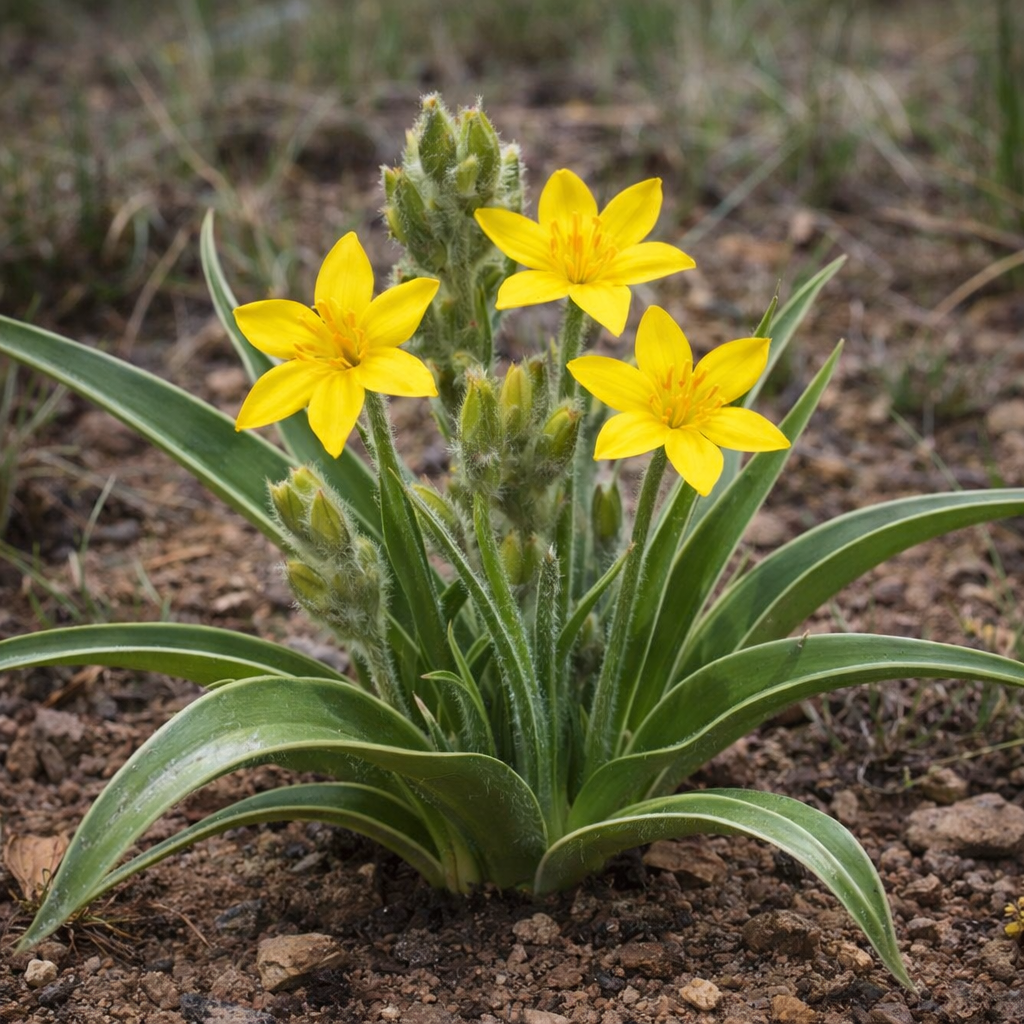
Hypoxis obtusa (Hypoxis nitida) – Shiny Iris-Leaf Stargrass – 5 Seed Pack
R22,50
INTERNATIONAL CUSTOMERS: Please read our shipping terms and conditions here before placing your order: Shipping Terms and Conditions
3 in stock
The genus Hypoxis, often called the “star flowers” of grasslands and rocky places, is a captivating group of small to medium geophytic perennials known for their bright, sun-catching blooms and resilient underground corms. Found across Africa, Asia, Australia and the Americas – with southern Africa being a major centre of diversity – Hypoxis species thrive in seasonal climates where fire, frost, drought and summer rain shape their life cycle. Their silky, grass-like leaves and charming starry flowers (usually golden yellow, sometimes pale or cream) appear like living sparks scattered through veld, slopes and open habitats. Whether admired for their medicinal history, their ecological toughness, or their botanical elegance, Hypoxis is a genus that embodies wild beauty and quiet endurance, rewarding growers with naturalistic charm and reliable flowering when cultivated in the right rhythm.
Hypoxis obtusa (Hypoxis nitida, Hypoxis angolensis, Hypoxis iridifolia) – Shiny Iris-Leaf Stargrass, Mr Burchell’s Hypoxis, Shiny Stargrass
Bold and robust for the genus, Hypoxis obtusa produces a strong clump of strap-like leaves and eye-catching yellow blooms that stand out beautifully against natural soil, stones, and fine grass. It has a more substantial presence than many smaller Hypoxis, making it an excellent choice when you want a “wilder, bigger” star-grass look without losing botanical authenticity.
Its native range is broad, extending from Uganda through to southern Africa, showing how adaptable and resilient it can be across suitable warm-season habitats.
Where flowering information is recorded, this species may bloom from August through to February, aligning beautifully with the southern African spring–summer window. It’s a rewarding species for seed growers looking to build strong, naturalistic colonies over time – especially when planted in groups that echo its wild habit.


